
Paid ads fail more often on the page than on the platform. Clicks arrive with intent, yet confusion, friction, or slow load times stop action instantly. Landing page optimization for paid search campaigns fixes that disconnect by aligning intent, structure, and follow-up into one controlled system. This guide explains how to diagnose weak pages, apply a conversion framework, and validate performance improvements with clarity. Moreover, you will learn how to sharpen message match, reduce form hesitation, improve mobile speed, and build trust signals that increase qualified leads consistently.
The Real Problem: Clicks Without Commitment
Paid traffic carries urgency. However, many landing pages treat every visitor the same. As a result, users hesitate, bounce, or delay action. Moreover, small gaps compound quickly. A vague headline, mixed CTAs, or unclear proof quietly drain performance. Consequently, even high-intent clicks fail to convert when clarity breaks at the first touchpoint.
Therefore, optimization must start with diagnosis, not redesign. You should first understand why users hesitate before making changes to what they see. Additionally, you should review traffic intent, device behavior, and page speed, because those signals reveal where friction begins and which fixes will produce measurable conversion lifts faster.
Diagnose Landing Page Failure Points Before Optimizing
Optimization works only when you isolate friction. Instead of guessing, you should review the page through four diagnostic lenses. Consequently, fixes become focused and measurable.
1) Intent Clarity
Does the page answer the exact reason the user clicked? If the headline feels generic, relevance drops immediately. Therefore, you should mirror the ad promise and keyword intent so visitors feel instant confirmation.
2) Attention Flow
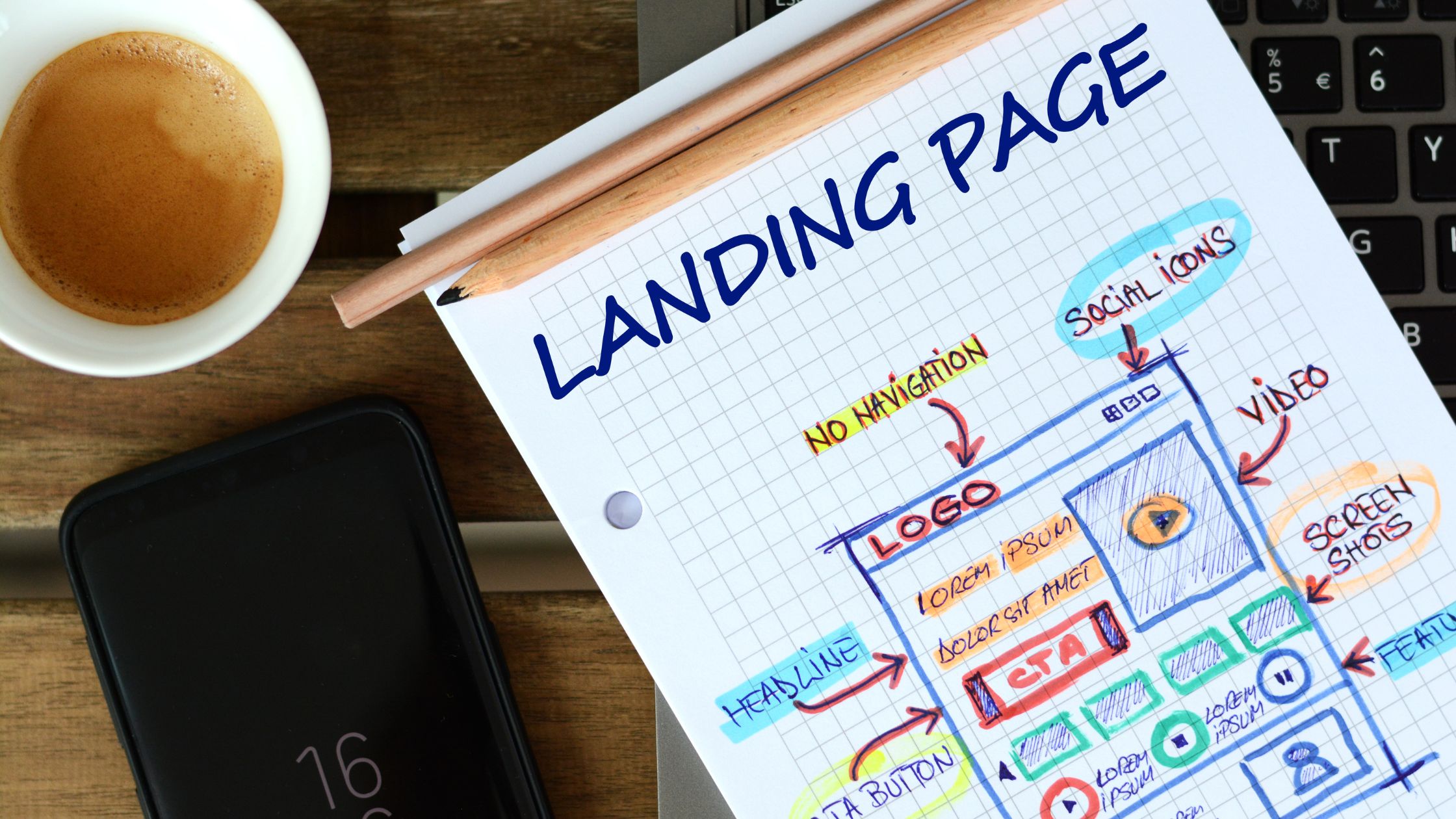
A focused layout leads visitors to one clear action, while scattered sections and links break attention quickly. Therefore, you should create a clear visual path using spacing, hierarchy, and one primary CTA.
3) Confidence Signals
The page should prove credibility early with reviews, results, and clear credentials near the first CTA so visitors feel safe, confident, and ready to act quickly without overthinking or searching for reassurance elsewhere.
4) Action Resistance
The form or CTA can ask too much too soon without enough reassurance, which increases hesitation, reduces completion rates, and pushes high-intent visitors to leave before they even understand the full value.
When you identify which lens breaks, optimization becomes precise, and you can prioritize fixes that deliver faster, measurable conversion gains.
The Conversion Spine: a Four-Part Page Framework
Every high-performing paid page follows a predictable spine. Therefore, you should build a structure before adding detail, such as:
- Promise: State the outcome clearly in the headline. Avoid features. Focus on results that match the ad intent.
- Proof: Support the promise with credibility. Use reviews, metrics, or authority cues that reduce doubt instantly.
- Path: Explain how the user achieves the outcome. Keep it short and scannable so action feels simple.
- Prompt: Tell the user exactly what to do next. Use one primary CTA only to prevent decision paralysis.
This structure keeps momentum intact from the first click to the final action.
Landing Page Optimization and Friction Control
Friction kills intent faster than price or competition. Therefore, you must actively remove anything that slows decision-making. Common friction sources include:
- Text Overload: Long paragraphs that delay understanding and push visitors to abandon the page early.
- CTA Confusion: Multiple CTAs competing for attention and making the next step feel unclear.
- Form Resistance: Overloaded forms that feel invasive and reduce trust before users commit.
- Mobile Speed Issues: Slow load time on mobile devices, causing drop-offs before content appears.
Instead, simplify aggressively. Short sections, clear spacing, and repeated CTAs reinforce confidence and speed.
Design for Momentum, Not Decoration
Visuals should support action, not impress designers. Consequently, every element must justify its place. Use layout rules that protect momentum:
- Keep the first screen focused on outcome and action.
- Place proof near decision points, not at the bottom.
- Repeat the same CTA after major sections.
- Use bullets instead of dense copy.
Moreover, design for thumbs first. Mobile users dominate paid traffic, so spacing, tap size, and scroll rhythm matter more than aesthetics. Learn more about SEO Services For Small Businesses.
Validate Optimization with Behavioral Signals
Conversions alone hide problems. Therefore, you should validate improvements using behavior data. Track these signals consistently:
- Engagement Drop-Off: Scroll depth to see where attention drops.
- Action Intent: CTA click rate to measure intent strength.
- Friction Indicator: Form abandonment to detect resistance.
- Device Performance: Device-level performance splits to spot mobile vs desktop gaps.
- Traffic Quality Check: Bounce rate and time on page to confirm intent alignment.
Additionally, test only one change at a time per experiment. Then, you can trust results and scale what works.
Conclusion
Landing page optimization for paid search campaigns succeeds when you diagnose friction, apply a clear conversion spine, control momentum, and validate results with behavior data. Moreover, performance scales best when pages connect directly to CRM automation and disciplined follow-up. For businesses that want landing pages, paid campaign support, SEO, and automation aligned into one system, Blogrator Web Service provides end-to-end execution. Additionally, this alignment improves lead quality, shortens response time, and keeps reporting clean, so you can optimize confidently, reduce wasted spend, and grow conversions consistently.

FAQs
1) Why do paid campaigns fail even with high CTR?
High CTR means interest, not clarity. Therefore, weak landing pages still lose conversions when visitors feel confused, unconvinced, or distracted.
2) Should I use one landing page for all paid campaigns?
No. Each campaign should map to one intent and one page goal to protect relevance and keep the message tightly aligned with keywords.
3) What matters more: copy or design?
Structure matters first. Then, copy and design support the structure so users move smoothly from promise to action.
4) How often should landing pages be optimized?
Review behavior monthly and test continuously, especially when traffic or intent changes or when performance shifts across devices.